A manifesto for slow photography
Three sentences against the pressure to see immediately.
June 15, 2026 · 3 min read · Przemek Zajfert
An image that waits forgets nothing.
We've forgotten how to wait. The camera in your pocket hands you the picture before the moment is even over, and takes something from it along the way. Nobody has to give up their phone over this. But maybe one picture a year deserves to be made slowly again. How that works fits into three sentences.
First sentence: An image needs time, or it is only proof.
A smartphone photo is finished the instant it's taken: proof that we were there, and usually that's all it ever becomes. A pinhole image isn't even visible after the exposure. What lies on the paper is a latent trace, a promise, and it gets kept later, in the developing: by hand, under red light, in your own kitchen. You stand over the tray and wait, and no screen can reproduce those minutes. What's left at the end, every single time, is the same small disbelief that light, time and a spoonful of instant coffee actually turned into a picture.
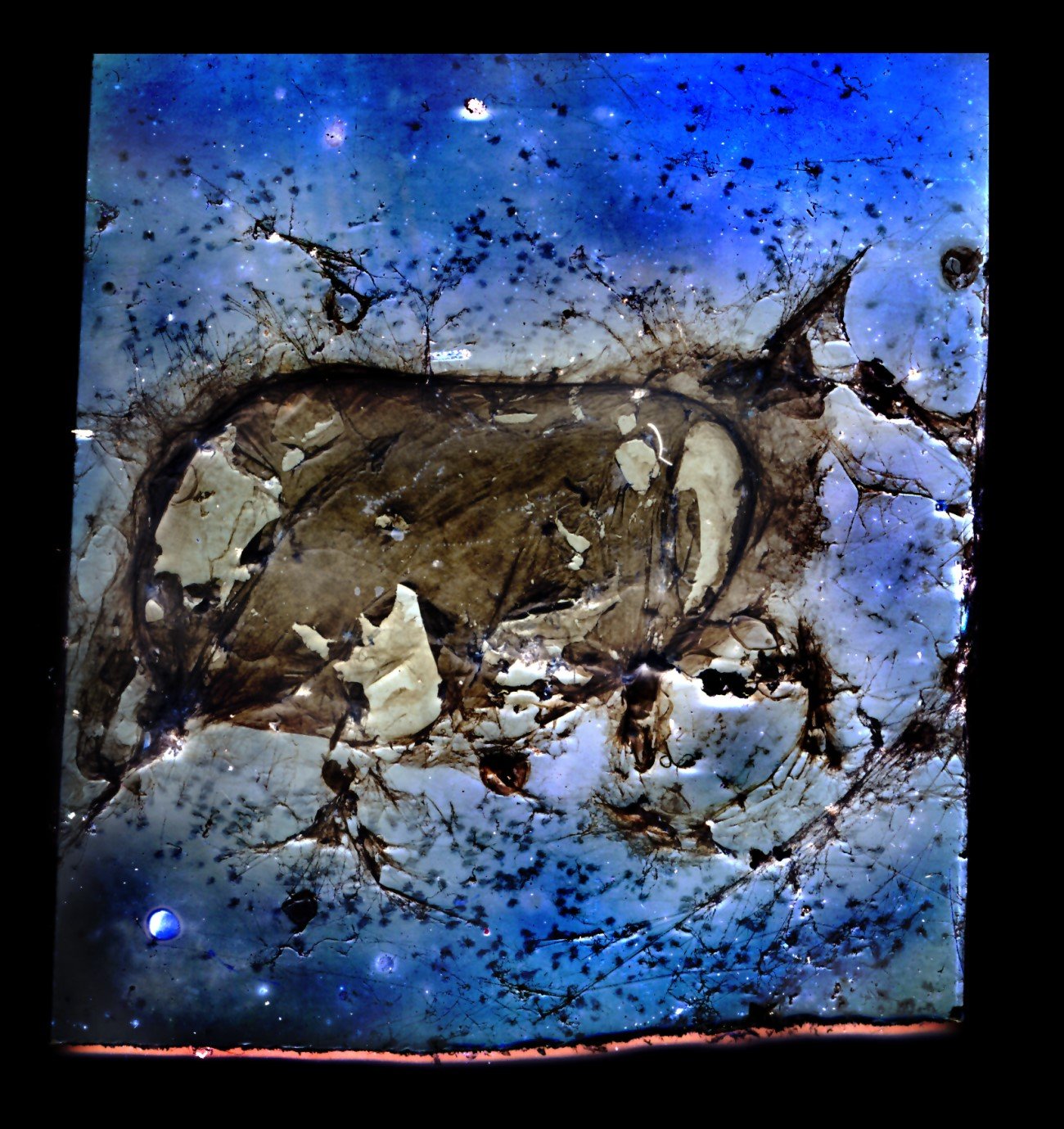
Eight years of exposure, from Przemek Zajfert's archive. The years didn't just make the image; they also went to work on the layer that carries it.
Second sentence: What you do not see at once, you do not forget.
Scroll through your own camera roll and count how many pictures you genuinely recognise; there are simply too many of them. An image that waits weeks or years for its second half is remembered differently, because the waiting belongs to it: the afternoon it was exposed, the time the sealed camera spent on a shelf, the day you were finally allowed to look. A picture like that has a story before anyone has seen it.
Third sentence: An image may belong to more than one person.
With a fast photo, one person presses the button, and the picture is theirs. Slow photography can be shared: you expose one half of the negative and hand the camera on, to someone in another city, in another year, maybe someone you'll never meet. What ends up on the paper was composed by neither of you alone, and it can't be divided up afterwards either. That is precisely what makes it worth having.
None of this is nostalgia. Slow photography is just a decision: to take a single picture more seriously than a thousand. Both In Time is our tool for it, but the three sentences work with a biscuit tin too. Make a picture, and don't look at it until it's time.